

In recent years, the dark web has captivated people's minds, often conjuring images of anonymous transactions, illicit goods, and a concealed underworld functioning outside of the reach of traditional law enforcement. Among the most notorious aspects of this dark landscape are dark web markets, sites that enable the exchange of a range of contraband substances to fake identification. As society becomes ever more digital, these markets have transformed, showcasing both the creativity and struggles of the underground economy.

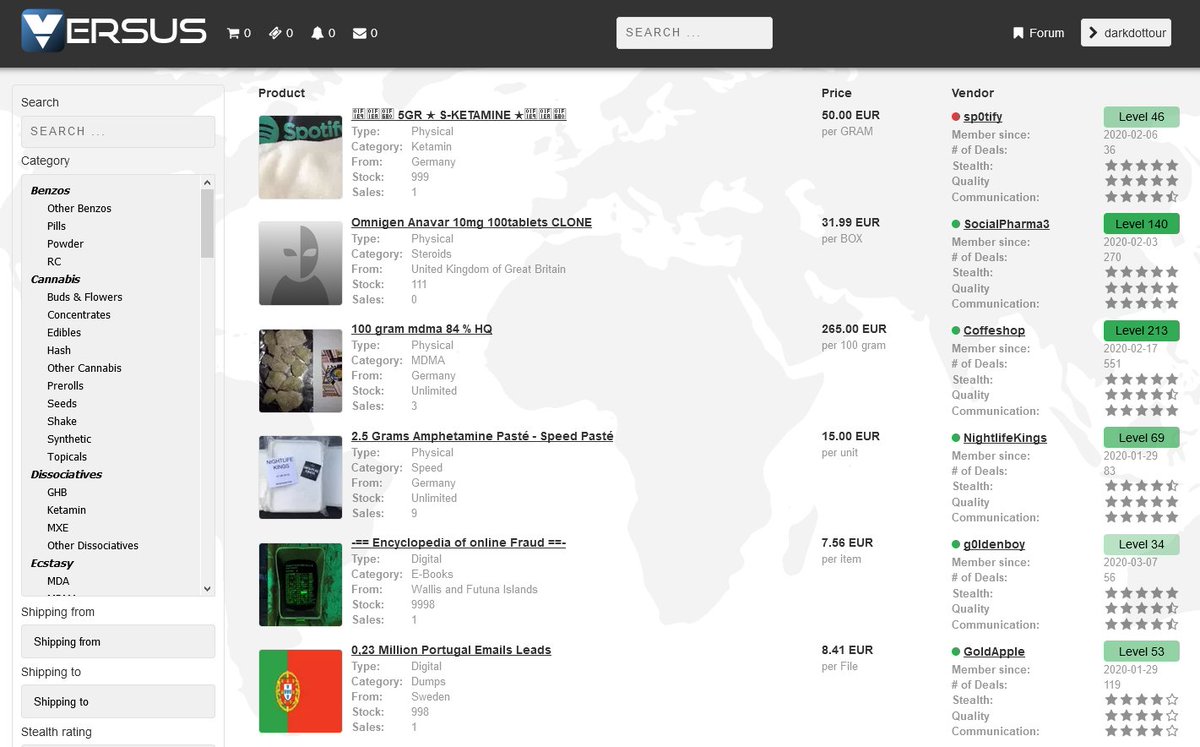
But, the growth of dark web markets is joined by their certain fall. Law enforcement agencies worldwide have intensified efforts to infiltrate and take down these platforms, resulting in considerable raids that have sent shockwaves through the online criminal community. The ongoing battle between authorities and users has shaped the dynamic landscape of the darknet, revealing a complex interplay of anonymity, protection, and peril. As we delve deeper this topic, we will examine the origins, evolution, and persistent issues faced by dark web markets, highlighting a captivating yet worrying aspect of today's world.
Understanding the Dark Web
The deep web is a part of the web that is excluded by traditional search engines. It exists on an encrypted network, demanding specific software such as Tor to enter it. This concealed nature allows users to work without identification, making it a haven for various activities, both permissible and illicit. While many may associate the hidden web primarily with forbidden commerce, it also serves as a platform for liberty of expression and confidentiality, especially in nations with authoritarian governments.
Entering the hidden web necessitates using specialized tools that protect users' identities. The most common of these tools is the Onion browser, which encrypts internet traffic and channels it through various servers. This provides a layer of anonymity for users, protecting them from watchfulness and tracking. Despite its notoriety, the dark web also provides forums, communities, and even marketplaces dedicated to valid interests, such as personal security advocacy and civic engagement.
The complexity of the dark web presents a complex picture. On one hand, it is notorious for facilitating the trade of controlled substances, illegal arms, and hacked information; on the other, it gives a safe space for informants and those desiring to communicate without restraint without worry of state interference. Comprehending this multifaceted landscape is crucial for apprehending the general significance of internet security, security, and the persistent battle between law enforcement and the forces that function in shadowy areas of the online space.
The Evolution of Underground Markets
Darknet markets have experienced notable evolutions since their their emergence in the early 2000s. At first, these platforms were primitive and restrictive, primarily operating through online communities and basic chatrooms where individuals would swap goods and services without any structured interface. The discretion offered by the darknet attracted a niche audience keen on accessing products that were commonly illegal or difficult to obtain through traditional means. Notable early examples include the Silk Road, which set the stage for later markets by utilizing Bitcoin as a means of payment, enhancing the confidentiality of its participants.
As digital security protocols increased and law enforcement began to intervene on early markets, darknet markets transformed into more sophisticated entities. This development led to the introduction of user-friendly interfaces and sophisticated escrow systems that bolstered safety and protection among participants. Rivalry among markets stimulated innovation, resulting in features like customer ratings, vendor verification, and product reviews. These advancements not only improved the shopping experience but also attracted a wider audience, fostering a sense of community among participants who valued the discretion that darknet markets provided.
However, the rise of these markets also sparked a cycle of law enforcement engagement. Significant operations to close major platforms, such as the takedown of Silk Road in 2013, showcased the vulnerabilities inherent in the darknet infrastructure. Despite these measures, emerging markets quickly arose to fill the void, often implementing more robust security measures and adopting decentralized architectures to evade detection. This persistent battle between innovation in darknet market operations and law enforcement approaches illustrates a intricate dynamic, making the evolution of darknet markets a perpetually unfolding narrative.
The Decline and Prospects of Shadow Net Commerce
The decrease of dark web platforms can be credited to several reasons, including heightened law enforcement efforts and increased scrutiny from cybersecurity experts. As officials around the world have escalated operations to dismantle major marketplaces, many have discovered it progressively difficult to function without the looming danger of a closure or detainment. Prominent takedowns such as Silk Road and AlphaBay served as crucial milestones, creating a atmosphere of dread within the underground environment and dissuading new vendors from joining the platform. Additionally, the hesitance of customers to trust new platforms, often burdened by fraud or security breaches, has further added to the downturn.
Despite the challenges faced by existing markets, there still exists a significant need for goods and commodities that the underground provides. This need may help support lesser-known, more specific sites that operate under a reduced visibility. Cutting-edge advancements, such as distributed platforms and upgraded safety protocols, could renew interest and involvement of shadow net sites. As long as there are users seeking anonymity for multiple motivations, from confidentiality concerns to illegal actions, the potential for shadow net trade will always exist, albeit in a transformed manner.
In the future, the prospects of shadow net trade is expected to move towards enhanced distribution and fusion of distributed ledger tech. The growth of digital currencies has offered a more protected means of transaction that is inviting to users trying to preserve secrecy. As dark market onion , emerging commerce structures may adopt non-centralized finance systems, making these platforms harder to shut down and regulate. While the reduction of old-school underground sites may signify the conclusion of an epoch, it opens the door to fresh options that could transform how trade happens in the underbelly.